Wednesday, June 17, 2009

How to Repair RV Roof

In the last post about Preventive maintenance for RV Roof Leaks, I have showed how you can reduce the maintenance time for RV roof repair.
Now lets discuss how can we repair the RV roof. Quality is a huge issue in the RV industry and much of it comes from the materials used to build the units. And when RVs break, customers expect dealers to mend the units by using materials that can stand up to the rigors of outdoor use. That’s why quality construction materials are essential components of any recreation vehicle. The thing that is more important on the roof is the sealant on a RV, that is some thing that you should inspect twice a year.
Motor home roofs are not made the same way that house roofs are, and you'll need special materials to work on them. Re-sealing of the seams on a yearly basis is very important to prevent leaks, and you also must seal around anything that penetrates the roof. This can be a vent or pipe, but it can also be anything added on that is bolted to the roof, such as a satellite dish or other type of antenna. Most people just seal these things once and leave them alone, and they assume that the factory sealed the seams with something that will never leak. While a motor home is well made there is no way to completely keep it from leaking over time because of the materials that it's made out of and the shifting that these materials endure from a moving vehicle. There are several different things a motorhome roof can be made out of, with the most common ones being rubber, aluminium, and fiberglass. Any of these are susceptible to leaks over time, no matter how well the motorhome is built or how much it cost. There are some newer products out now that are designed to be used on motorhome roofs. They seal up seams by using a roll of material that looks very much like tape. While they can't be guaranteed to last forever they are designed to stop the hassle and ritual of yearly maintenance, meaning that they can give you less to worry about and more time to enjoy traveling in your motorhome, which is something that any motorhome enthusiast is likely looking for.

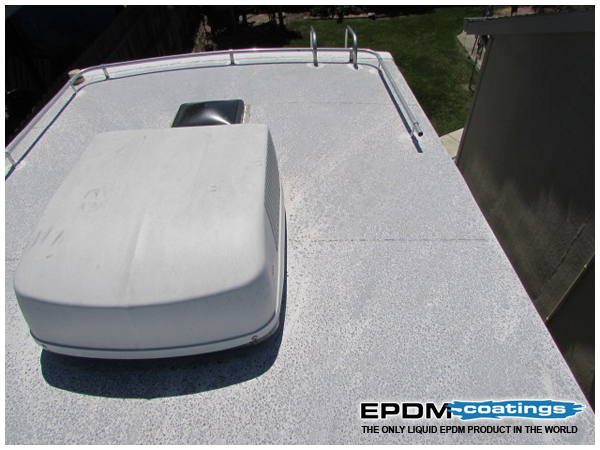
I have found Liquid EPDM and EPDM Coatings Product best for all type of roof damage Repair.

Friday, May 1, 2009

Preventive Maintenance for RV Roof Leaks


If your RV ever does spring leaks, for any reason, then the best leak an RV can develop is the one you see because it results in a drip inside the RV. It is the one you do not see that will ruin your beautiful dream machine! Leaks and tears in an RV can quickly lead to more expensive RV leaks repair.

If your RV has a damaged roof with leaks, then you could be suffering a great deal of stress and concern. With Liquid Roof, RV roof leak repair and maintenance has never been easier. This RV rubber coating is maintenance free and installs in one easy coat with no primer. You can be on the road again in no time with no spring leaks. After repairing you RV with liquid roof repair, simply keep up with your routine maintenance and your rv roof should last for a long time to come! The Florida RVer warns that owners of RV with new, sleek rubber membrane roofs should be aware of their susceptibility to damage from overhangs and branches. He recommends at least twice annually cleaning the roofing of your rv / trailer with a mild soap and water solution, as well as checking the roof and seals for leaks repair or tears repair. Inspecting your RV at home can prevent RV leaks repair, roofs repair and even more damage down the road! If you do find a tear on your rv, you’re going to want to repair RV. Liquid Roof repair is perfect for all of your RV roof repair and RV roof leaks repair needs. Motor homes and Rv leaks repair and maintenance is an essential step in guaranteeing the long life of your investment.

During new construction, caulks and sealants are used to waterproof around flashings, vents and other protrusions throughout your rv roof. Liquid roof acts as a shield to protect existing caulks, leaks and sealants and extend their life substantially. The useful life of metal roofs, whether galvanized steel, or aluminum can also be extended by covering them with roof Coatings, Some manufacturers have been using white single ply EPDM on some of their RV models for several years now.

Friday, April 3, 2009

Life Expectancy of Roofs

How long should your roof last? The American Society of Home Inspectors provides the following estimates for the life expectancy of different roofing materials:
• Asphalt shingles: 15-30 years
• Wood shakes-shingles: 10-40 years
• Clay-cement tiles: 20+ years
• Slate: 30-100 years
• Metal roofs: 15-40+ years.

Rain isn't an ally either. Water will naturally take the path of least resistance. For this reason, minor roof leaks can result in extensive damage in various locations throughout a home. Aside from the obvious water-stained sagging ceiling, prolonged leakage will likely result in rot to framing members in the roof, ceiling, walls and floor.

High winds can lift the edges of shingles and force wind-driven rain and debris beneath them. Extremely high winds can tear random shingles from the roof, leaving the roof spotty or even bare in some locations. Properly anchored shingles will minimize this damage.

Snow, ice and hail also do their share to shorten the roof's life. Melting snow often will freeze over the roof's overhang where the surface is cooler creating an "ice dam" which blocks drainage to the gutter, and results in water backing up under the roofing material.

Gutters and downspouts also can freeze, preventing proper drainage. Eave-heating devices can prevent ice buildup. Check with your local hardware store or home center for the one that will work best for you.

Mildew, moss and lichen can accumulate on roofing materials if they remain damp as a result of poor drainage or little sunlight. Once it grows, moss holds moisture to the roof surface causing rot or poor watershed.

One of the best ways to rid the roof of moss and fungus is with a good power washing. (This may be best left to a roofing contractor or roof care professional.) Another way is to apply a solution of one quart of liquid chlorine bleach in a gallon of hot water to the affected areas, using a stiff nylon brush.
Prevent minor problems from becoming major repairs by inspecting your roof in the late fall and early spring. Using binoculars will give you a good view of the roof while keeping traffic on the roof to a minimum. Look for loose shingles or shakes, or, if you have a tile or slate roof, cracked or missing tile. On shingle roofs, look for curling, fraying and tears at the edges.


For further details.
Roof Coatings
EPDM

Wednesday, March 4, 2009

Here's what you might see when you go up on your roof:

  • Uplifting or splitting of the roofing membrane (the material that covers theroof) or decking on flat roofs.
  • Punctures in the roof caused by debris hitting it.
  • Cracking or other age-related deterioration. This is typically most apparent on southern exposures, and especially on wood or composition shingles.
  • Damaged roof-mounted vents or air-conditioning equipment.
  • Stripped ridge tiles, or missing or broken tiles on concrete or clay roofs.
  • Pitting or pock marking on asphalt shingles or membranes. This can be caused by hail or from toxic substances in seedpods.
  • Stripped or torn shingles on asphalt, fiberglass, or cedar roofs.
  • Algae growth from poor drainage.
  • Previous roof repairs.
  • Rotted or rusted decking.
  • Worn or rusted flashings.
  • Wrinkled roofing membrane.
  • Holes from missing shingles or other roofing materials.
Resources:
EPDM , Liquid Rubber

Saturday, February 7, 2009

Roof Colour Selection


The roof is the ceiling of the house. It really needs to be considered when you’re making color decisions. If you’re due for a new roof, congratulations! You now have a chance to select your roof color from the myriad choices that are available. Here are a few guidelines and considerations:

Suggestion 1; Involves selecting colors within the same family, such as warm tones (browns, beige’s, creams, golds and reds) used together with warm accents, trim etc.

Suggestion 2; Consists of contrasting light and dark colors out of different color families for an eye-catching effect.

Suggestion 3; Contrasting cool (blues, grays, black, white) and warm colors is harder to achieve, but if one of the contrasting colors is a neutral, it will be easier to accomplish. For instance, try using a warm color like cream or ivory with a cool neutral such as a gray or black ridge cap and drip edge.

Once you have chosen the method to create the look or effect you desire, you may want to take the following steps to help make your final color selection:

Gather; samples that represent the outside permanent colors of your home (brick, siding, etc.) You can use paper or fabric or whatever other sample you can find that is very close to the home exterior.

Consider your surroundings; Consider the environment and your neighborhood. Coordinating with your neighbors home should not be a prime consideration, but duplicating your neighbors home would not be ideal either.

Select Similar Colors; Select colors in the same family as the existing permanent elements (i.e. brick or stone) to produce a simple scheme which will make a small home appear larger. For example, a light brown shade of shingle on a tan colored brick home.

Select High Contrast; Select high-contrast colors to produce a bold, striking effect. These highlight architectural detail and design. Low-contrast colors hide details which may be desirable in some cases.

Using Color to Balance; Use color to balance the proportion and design of a home. Light colors make homes appear larger, dark colors make homes look smaller. Dark colors outline architectural details against light backgrounds while light colors create the opposite effect.

Traditional Shingle Roofs

• Gray or blue house. Stay with a traditional roof color like dark gray or black. That way your roof will blend with your house and make the whole structure seem bigger.
• Cream, tan, or light brown house. Consider the many brown roof options, some of them with a mixture of browns that really make the house look updated and terrific. A brown roof will blend with the cream or tan and make the house look bigger. Black and gray roofs just look ordinary.
• White house. Stick with a dark gray or black roof. It’s traditional, but it works.
• Red, green, or yellow house. You can go either way, a brown or a gray/black roof. I prefer a brown roof for red and green house colors and a black roof for a yellow house.

Nontraditional Roofs

What about metal roofs? They’re all over Colorado, Upstate New York, and other areas of the world where snow on the roof is a major factor in the winter. Metal roofs come in a rainbow of colors, from red to green to brown to purple. If you have a metal roof, you are making a design statement (whether you meant to or not, of course) and you can treat it as an accent color, kind of like picking a front-door color.

What about terracotta roofs? These are traditionally seen on Mediterranean style homes and are a definite design feature. Keep the house color neutral to highlight the beautiful roof and the other architectural elements that are undoubtedly present.
Other Nontraditional roof materials. Just like a thatched roof on an English cottage, a nontraditional roof is a design feature of the home. Hopefully, you want it that way. Choose a house color that makes the roof look like you planned it as a feature.
Regardless of what kind of roof you have, make sure you consider it when you’re making house color decisions.

Check out following links for
Liquid Rubber
EPDM
Roof Leaks

Friday, January 16, 2009

Roofing Issues

The life of any roofing system is finite. Most low-slope roofing materials begin to exhibit water infiltration within 20 years after installation. Distress conditions and leaks on low-slope roofs are more likely to emerge at certain predictable areas, such as at punctures or seams in single-ply membranes.

Leaks also often occur where pipes or vents penetrate the roof membrane, as well as at roof perimeters where roofing systems transition to other materials. By identifying areas that are prone to developing problems, maintenance and engineering managers can take steps that will prevent roof problems cost effectively.

The key to a trouble-free roof is obviously doing your best to repair problems as soon as soon as they arise - but even more importantly taking steps to identify potential weaknesses before they result in disaster. Be sure to consult a qualified roofing company or inspector to put your mind at ease, and never be afraid to ask for a second opinion. Regular maintenance, inspection and weather-resistant additions should keep you and yours happy, warm and dry for many years to come.

for further detail

EPDM

Liquid Roof

Monday, December 29, 2008

Roof Types

Different types of roof have different slopes within the same building. Many traditional buildings incorporate different types of roof within a single composition. For example, a building with the primary mass under a hip may have a central projecting bay with a gable end and a front portico with a pediment. The type and shape of the roof on your home can help determine how well it will perform during a severe windstorm. Don't use the same pitch for each roof! Each type has its own characteristics and should have different slopes:

Gable Roof:

The gable roof is a very popular type of roof. The gable roof is easy to build, sheds water well, provides for ventilation, and is applicable to a variety of house shapes and designs. A gabled roof has two slopes that come together to form a ridge or a peak at the top, each end looks like the letter A. Homes with gabled roofs are more likely to suffer greater damage, such as collapse of the end wall from high winds because they are often not braced properly during construction.

Hip Roof:

The hip roof is slightly more difficult to build than a gable roof, but is still a popular choice. A hipped roof is one that slopes upward from all sides of the building. Because of its aerodynamic properties and construction techniques, most hipped roofs will perform better in windstorms than the second roof type: a gabled roof. It does not provide for ventilation as well as some other roof designs and increases the chance for leakage due to the hips and valleys.

A-frame Roof:

The A-frame provides not only a roof but the walls as well. Originally, it was used for cottages, but in recent years has been applied to homes, churches, and other structures.

Flat Roof:

A flat roof is the most economical roof to build, but does not add much to the design of most houses. It requires a "built-up roof covering rather than conventional shingles. A built-up roof consists of layers of roofing, felt, tar topped with gravel. Actually, most so-called flat roofs are pitched 1/8 to 1/2 in per foot to aid in drainage. The flat roof is popular in warmer areas of the country where wide overhangs are desirable for shade and where little or no snow falls.

For details on roof repair follow the links below;

Roof Coatings

EPDM

Liquid Rubber